
The relationship between chocolate and health has evolved from guilty pleasure to legitimate scientific interest. Recent research reveals that cocoa, particularly its flavanol compounds, offers remarkable benefits for cardiovascular health that extend far beyond what we once imagined possible from this ancient food.
Advertisements
Understanding the Power of Cocoa Flavanols
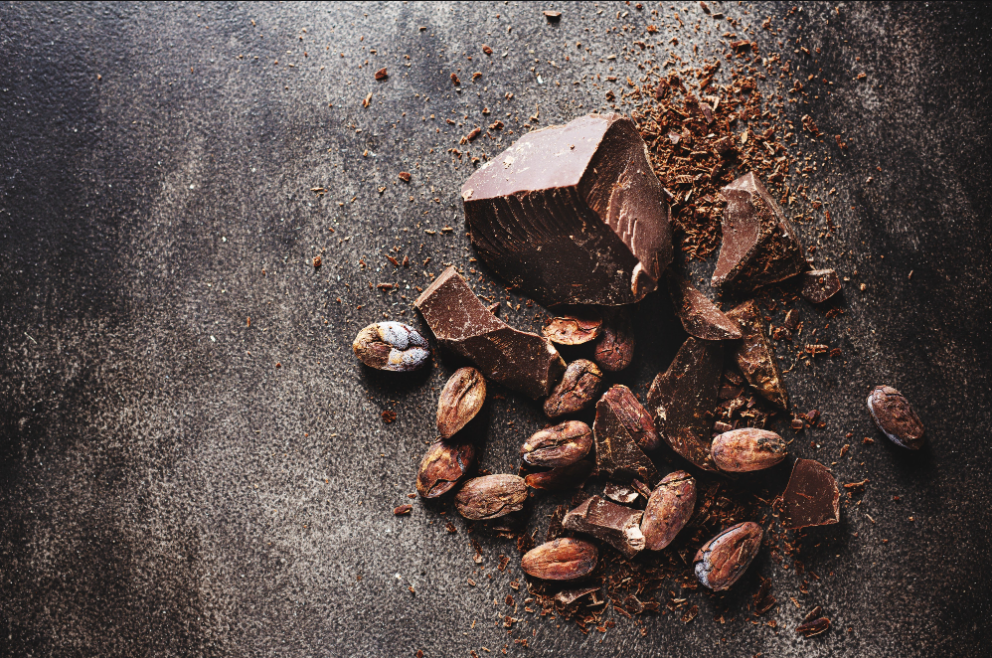
Cocoa flavanols represent a specific class of bioactive compounds naturally occurring in cacao beans. These polyphenolic compounds, primarily epicatechin and catechin, distinguish themselves from other chocolate components through their direct impact on vascular function. Unlike the sugar and fat that often accompany chocolate products, flavanols work at the molecular level to enhance blood vessel performance.
The concentration of these compounds varies dramatically across chocolate products. Raw cacao contains the highest levels, while heavy processing, alkalization (Dutch processing), and the addition of milk and sugar significantly reduce flavanol content. This explains why dark chocolate with high cacao percentages typically delivers more cardiovascular benefits than milk chocolate varieties.
The Groundbreaking Flaviola Health Study
The 2015 Flaviola Health Study, conducted by Sansone and colleagues, marked a pivotal moment in understanding cocoa’s cardiovascular effects. This rigorous investigation involved healthy men and women consuming 450 mg of cocoa flavanols daily for one month, with researchers measuring flow-mediated dilation (FMD) as the primary outcome.
FMD serves as a gold-standard measurement for endothelial function—essentially measuring how well blood vessels expand in response to increased blood flow. The study revealed an impressive 1.2% increase in FMD among participants taking cocoa flavanols compared to controls. While this percentage might seem modest, in cardiovascular terms, it represents a clinically significant improvement that translates to meaningful risk reduction for heart disease.
Advertisements
Perhaps more remarkably, the study demonstrated improvements in Framingham Risk Score, a comprehensive assessment tool that predicts 10-year cardiovascular disease risk. This finding suggests that regular cocoa flavanol consumption could substantially alter long-term cardiovascular trajectories.
Expanding Evidence: Benefits for Elderly Populations
Complementary research focusing on elderly populations has reinforced these findings while revealing additional benefits. A study examining healthy elderly individuals who consumed 500 mg of cocoa flavanols daily uncovered dual benefits after just 30 days: a 1.3% increase in FMD coupled with a 5.4 mmHg reduction in systolic blood pressure.

This blood pressure reduction proves particularly significant for older adults, who face increased cardiovascular risks with age. A 5 mmHg decrease in systolic pressure correlates with approximately 10% reduction in stroke risk and 7% reduction in coronary heart disease events across populations. For elderly individuals managing multiple cardiovascular risk factors, these improvements offer substantial protective benefits.
The Nitric Oxide Connection: How It Works
The mechanism underlying these benefits centers on nitric oxide (NO), a crucial signaling molecule in vascular biology. Cocoa flavanols enhance NO bioavailability through multiple pathways. They stimulate endothelial nitric oxide synthase (eNOS), the enzyme responsible for NO production, while simultaneously reducing oxidative stress that would otherwise degrade NO molecules.
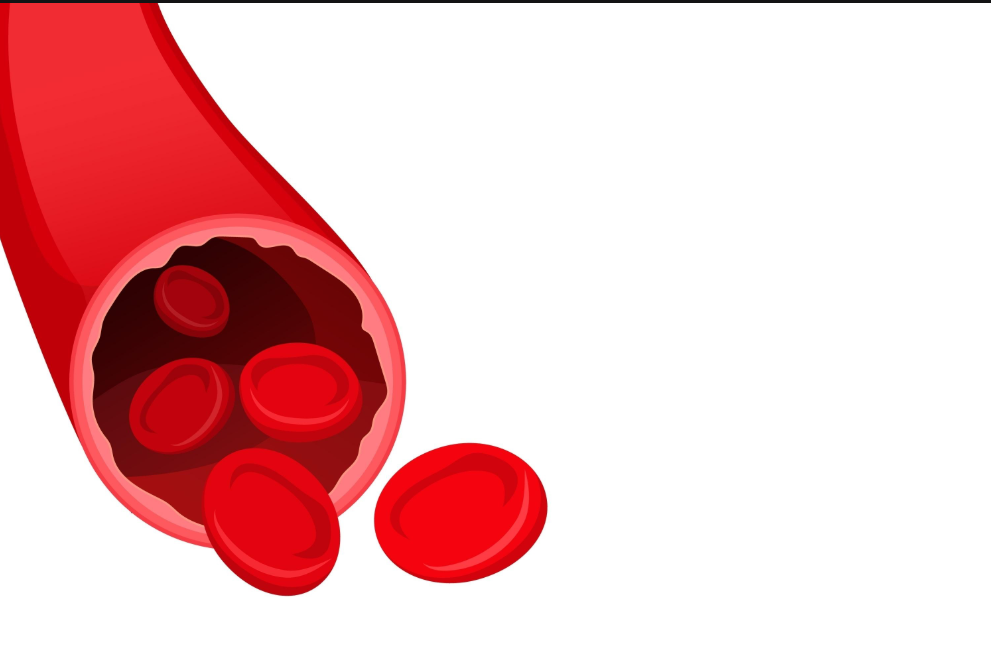
This increased NO availability triggers vasodilation—the relaxation and widening of blood vessels. The endothelium, the inner lining of blood vessels, becomes more responsive and elastic, improving its ability to regulate blood flow, pressure, and prevent platelet aggregation. This enhanced endothelial function represents the foundation of cardiovascular health, influencing everything from exercise capacity to cognitive function through improved circulation.
The effects extend beyond immediate vasodilation. Regular flavanol consumption appears to promote long-term vascular remodeling, improving arterial compliance and reducing arterial stiffness—key markers of vascular aging.
Practical Implementation: From Research to Reality
Translating these research findings into practical dietary habits requires strategic consideration. The studies utilized controlled doses of 450-500 mg of cocoa flavanols daily, equivalent to approximately 25-50 grams of high-quality dark chocolate (70% cacao or higher), depending on processing methods.
However, obtaining therapeutic flavanol doses through chocolate alone presents challenges. Commercial chocolate products vary widely in flavanol content, and consuming enough chocolate to reach study-level doses might introduce excessive calories and sugar. Some practical strategies include:
Choosing Quality Sources: Select minimally processed dark chocolate with 70% or higher cacao content. Look for products that specify flavanol content or avoid Dutch processing.
Timing Matters: Research suggests consuming flavanol-rich foods away from dairy products, as milk proteins may interfere with flavanol absorption.
Consider Supplements: Standardized cocoa flavanol supplements offer controlled doses without additional calories, though whole food sources provide complementary nutrients.
Combine with Lifestyle Factors: Flavanol benefits appear to synergize with exercise and healthy dietary patterns, suggesting integration into comprehensive cardiovascular health strategies.
Beyond Vascular Health: Emerging Benefits

While vascular improvements remain the most established benefit, emerging research suggests cocoa flavanols influence multiple health domains. Improved cerebral blood flow may enhance cognitive function and potentially reduce neurodegenerative disease risk. The anti-inflammatory and antioxidant properties of flavanols might contribute to improved insulin sensitivity and metabolic health.
Some studies indicate benefits for exercise performance through enhanced oxygen delivery and reduced oxidative stress during physical activity. The improved endothelial function may also support better wound healing and tissue repair processes.
Advertisements
Considerations and Realistic Expectations
Despite compelling evidence, several considerations warrant attention. Individual responses to flavanol supplementation vary based on genetics, baseline health status, and concurrent medications. People taking blood pressure medications should consult healthcare providers before significantly increasing flavanol intake, as additive effects might require medication adjustments.
The quality and processing of cocoa products dramatically influence flavanol content and bioavailability. Many commercial chocolate products undergo processing that destroys flavanols while adding sugar and saturated fats that might offset cardiovascular benefits.
Furthermore, while improvements in FMD and blood pressure are significant, cocoa flavanols represent one component of cardiovascular health management, not a standalone solution. They work best within comprehensive approaches including regular exercise, balanced nutrition, stress management, and appropriate medical care.
The Future of Flavanol Research
Current research trajectories explore optimal dosing strategies, timing of consumption, and potential synergies with other bioactive compounds. Scientists investigate whether specific populations—such as those with diabetes or established cardiovascular disease—might derive particular benefits from flavanol supplementation.
Technological advances in food processing aim to preserve and concentrate flavanols while removing less desirable components, potentially creating functional foods that deliver therapeutic benefits without drawbacks.
Long-term studies examining cardiovascular event rates and mortality will ultimately determine whether the promising surrogate markers translate into reduced disease incidence and extended healthspan.
Conclusion: A Sweet Addition to Heart Health
The evidence supporting cocoa flavanols for vascular health has matured from interesting observation to clinically relevant intervention. The Flaviola Health Study and supporting research demonstrate that regular consumption of cocoa flavanols can meaningfully improve endothelial function, reduce blood pressure, and potentially lower cardiovascular disease risk.
These findings transform chocolate from guilty pleasure to potential health tool—though the emphasis remains on flavanol-rich, minimally processed forms rather than conventional candy. As we continue uncovering the mechanisms through which food compounds influence health, cocoa flavanols exemplify how traditional foods can offer sophisticated therapeutic benefits when consumed thoughtfully.
For individuals seeking evidence-based strategies to support cardiovascular health, incorporating high-quality cocoa products or standardized flavanol supplements represents a scientifically supported option. Combined with established lifestyle interventions, this ancient food’s modern validation offers a particularly palatable path toward better vascular health—proving that sometimes, the sweetest solutions are also the most effective.
